
Liquid Biopsy: Detecting Cancer Before Symptoms Appear
How cell-free DNA analysis is revolutionizing early cancer detection and improving survival rates.
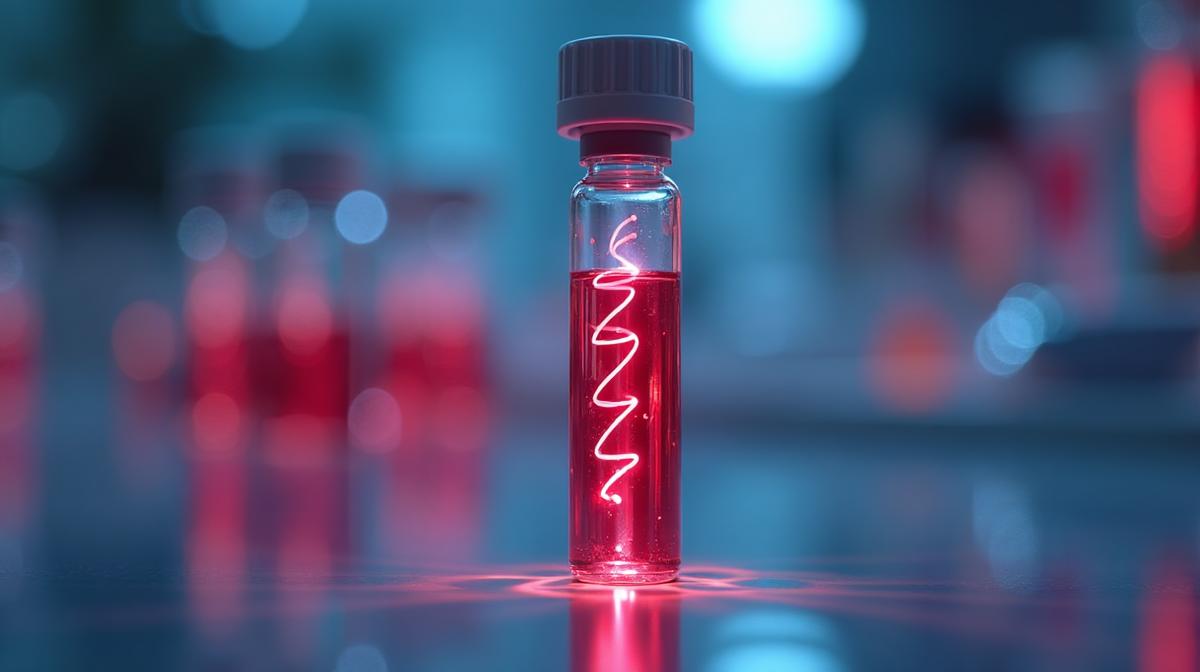
Liquid biopsy represents a paradigm shift in cancer detection. By analyzing cell-free DNA (cfDNA) fragments circulating in the bloodstream, this non-invasive blood test can identify cancer signals from over 50 cancer types — many of which lack standard screening methods.
When cells die, they release fragments of their DNA into the blood. Cancer cells release DNA with characteristic mutations and methylation patterns that differ from normal cells. Liquid biopsy technology can detect these cancer-specific signals, even when a tumor is too small to be seen on imaging.
Traditional cancer screening methods — mammography, colonoscopy, PSA testing — cover only a handful of cancer types. Liquid biopsy fills a critical gap by screening for cancers of the pancreas, liver, kidney, ovary, and many others that are typically diagnosed at later stages when treatment options are limited.
At ReGenesis, we incorporate liquid biopsy into our comprehensive screening protocols. A simple blood draw is all that's required. The sample is analyzed using next-generation sequencing technology to detect circulating tumor DNA with high sensitivity and specificity.
It's important to understand that liquid biopsy is a complementary tool, not a replacement for established screening methods. We use it alongside imaging, blood work, and clinical assessments to provide the most thorough cancer surveillance possible.
Early detection through liquid biopsy can dramatically improve outcomes. Many cancers detected at stage I have five-year survival rates above 90%, compared to much lower survival rates when diagnosed at later stages. By catching cancer early, we give our patients the best possible chance for successful treatment.